

In the rapid world of project oversight, the concept of the key trajectory is often viewed as a fundamental framework for comprehending schedules and outputs. However, what if we consider beyond the nuances and explore how direction plays a key role in traversing this path? Leadership in the Critical Path embodies the intersection of future vision and the ability to motivate teams, guaranteeing that projects not only remain on course but also succeed amidst challenges.
Successful leaders in this area are those who can pinpoint key milestones, anticipate potential hindrances, and encourage their teams to remain dedicated on common objectives. By adopting the principles of Critical Path Leadership, individuals can cultivate a team-oriented environment where each team member grasp their function in the larger journey. This approach is not just about the achievement of assignments, but about nurturing a culture of responsibility and resilience that pushes projects toward achievement.
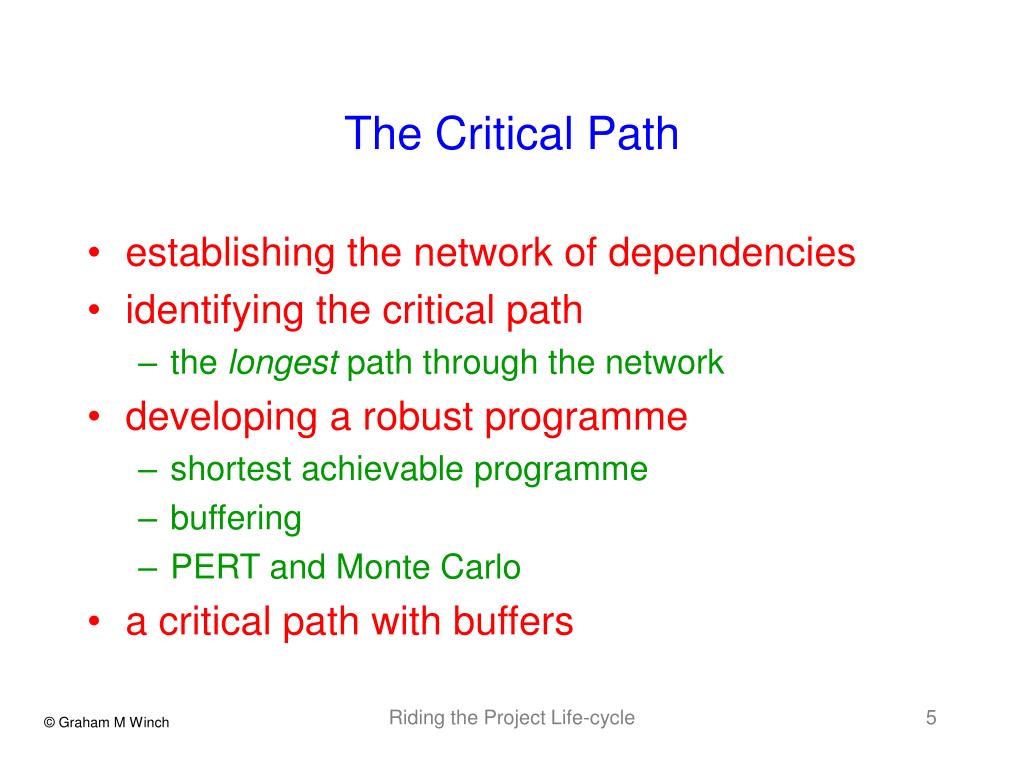
Understanding Critical Path Leadership
This concept of Critical Path Leadership revolves around the concept of identifying and highlighting the essential tasks that will lead a project to success. This method highlights the necessity for leaders to grasp which tasks are vital for attaining initiative goals while overseeing resources appropriately. By focusing on these critical priorities, managers can overcome obstacles, assign resources effectively, and guarantee that timelines are achieved, in the end improving team productivity.
Effective Leadership in Critical Path demands strong long-term thinking and solution-oriented skills. Leaders must evaluate the relationships between activities and identify which factors are linked. This permits them to create a well-defined roadmap that outlines the key steps to be carried out. By guiding their groups through this method, managers assist maintain attention and drive, preventing diversions that can hinder project goals.
Moreover, Critical Path Leadership encourages clear communication and collaboration among team participants. Leaders should cultivate an atmosphere where team contributors feel motivated to share perspectives and issues related to their activities. By this, leaders can identify likely threats early and tackle them in advance, guaranteeing that the team remains aligned and capable of dealing with the complexities of their initiatives. This collaborative spirit not only drives achievement but also builds a strong team that excels in a changing work environment.
Key Principles of Effective Leadership
Effective leadership calls for a clear vision that sets the direction for the team. Leaders should articulate this vision in a way that motivates others and harmonizes their efforts towards common goals. When everyone comprehends the end goal and their role in achieving it, motivation increases, and the likelihood of success grows. A strong leader constantly strengthens this vision, ensuring that it remains a guiding light for decisions and actions within the organization.
One more key principle is versatility. The business environment is often ever-changing and volatile, which means leaders must be adaptable and responsive to change. Courtland Painting and Color Design involves being open to new ideas, embracing innovation, and changing strategies when necessary. Strong leaders promote a culture of adaptability within their teams, fostering resilience and the ability to pivot when challenges arise. This principle enables leaders to steer through potential pitfalls on the key path more successfully.
In conclusion, effective leadership is built on confidence and cooperation. Leaders who emphasize building strong relationships within their teams create an atmosphere where individuals feel respected and supported. This trust facilitates honest communication, where team members are more likely to express ideas and concerns. Team-oriented environments often lead to better solutions and creativity, directly impacting the success of the organization's aims. By encouraging a culture of trust and teamwork, leaders can ensure that all team members are invested in the essential path towards achieving their goals.
Executing Leadership Methods in Practice
Effective leadership demands a proactive approach to strategic deployment. To execute CPL methods, leaders should first identify the key objectives and coordinate their team with these objectives. This might be realized through transparent communication where leaders clearly define the goal and objectives. Engaging team members in dialogues about their roles in achieving these objectives fosters a sense of stakeholding and dedication. Regular meetings and reports keep the team aware and knowledgeable about progress on key tasks.
Next, leaders should employ tools and techniques that simplify processes and rank tasks based on their impact on overall goals. Adopting project management frameworks can help in illustrating the critical path and ensuring that assets are adequately allocated to the most crucial activities. By fostering an atmosphere of cooperation and inviting team members to exchange insights, potential hurdles can be identified early, allowing for prompt adjustments to plans. This adaptability ensures that the team remains on course to achieve its goals.
Finally, assessing the outcomes is vital for sustained improvement. After completing projects or achieving notable milestones, leaders need to conduct retrospectives with their team to examine what methods worked and what could be modified for upcoming initiatives. This reflective practice not only enhances team interaction but also strengthens the decision-making for the future. By embedding feedback into the leadership approach, this leadership model becomes a cycle of growth and change, ultimately leading better outcomes and cultivating a top-performing culture.